
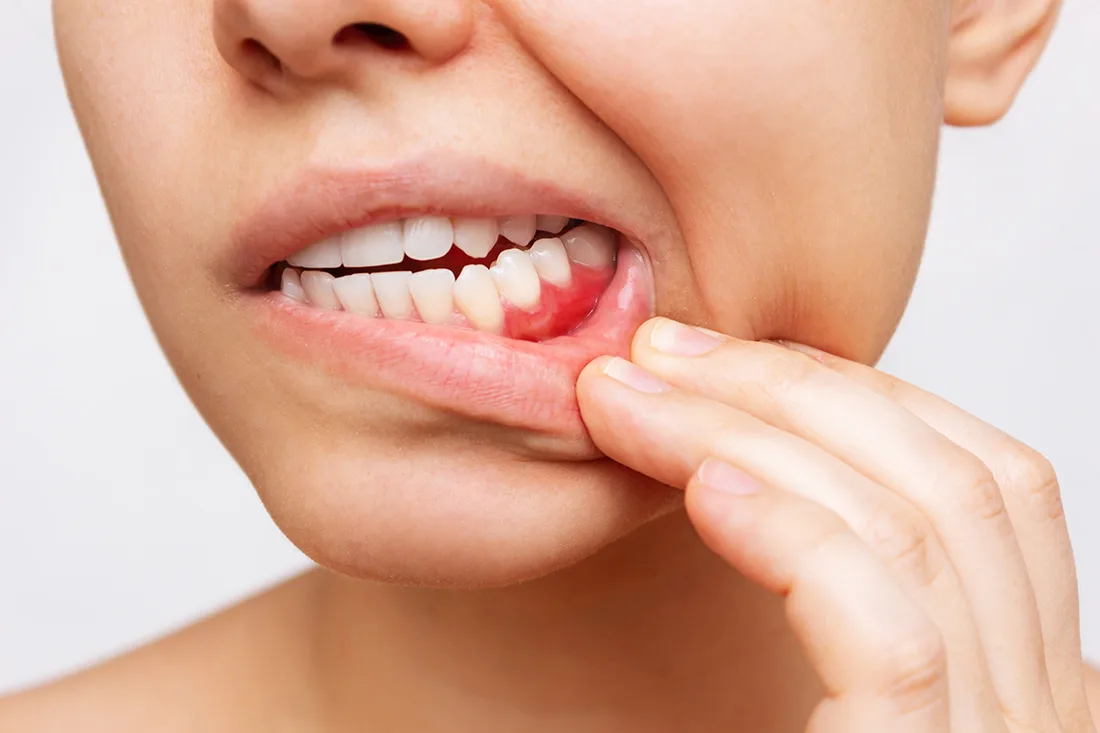
Periodontal CareIn Cary, NCIt’s easy to let oral health slide—life gets busy. But if you’re noticing signs of gum disease, you’re not alone. Gingivitis and periodontitis are more common than you think. The good news? We're here to help you take back control of your smile.
It’s easy to let oral health slide—life gets busy. But if you’re noticing signs of gum disease, you’re not alone. Gingivitis and periodontitis are more common than you think. The good news? We're here to help you take back control of your smile.
Do I really need periodontal care?
If your gums are swollen, bleed easily, or you’re experiencing discomfort, it may be time to see a dentist for periodontal care. Treating gum disease early can help protect your natural teeth and prevent long-term damage. Left untreated, it can lead to tooth loss and serious oral health issues. The sooner we catch it, the better the outcome.
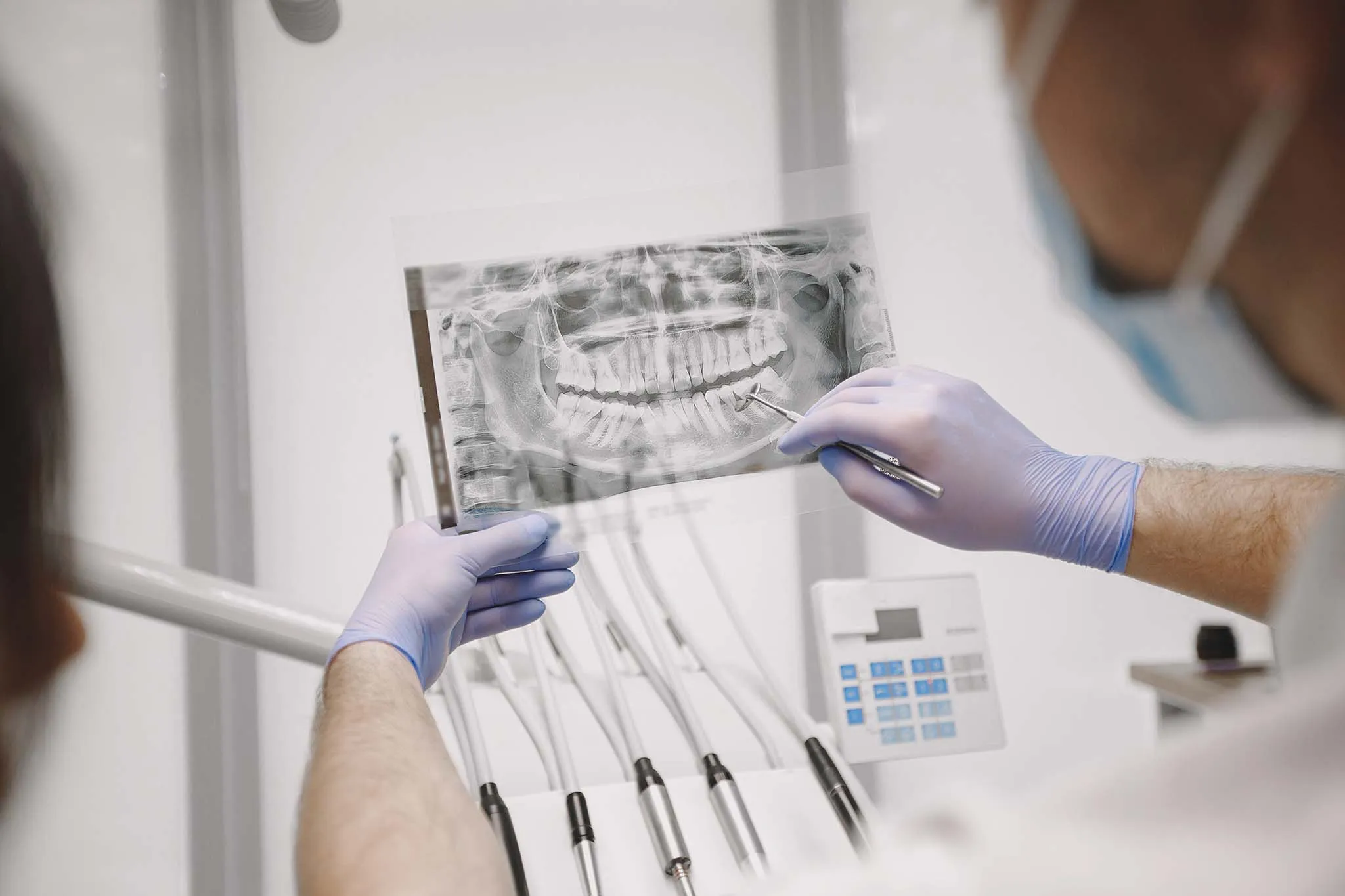
The Deep Cleaning Process
Local Anesthetic
We begin by applying a local anesthetic to the affected area. This ensures you stay comfortable throughout the entire procedure. Deep cleanings—also known as scaling and root planing—go below the gum line, which can cause some sensitivity if not properly numbed. Our team uses gentle techniques to make the numbing process quick and easy, so you can relax during your visit and feel confident knowing your comfort is our top priority.
Scaling & Root Planing
Once you're fully numb, we begin the cleaning itself. Using precise instruments, your dentist or hygienist will remove the buildup of plaque and tartar that has accumulated around and under your gums. This is called “scaling.” These deposits are what allow bacteria to thrive and cause gum disease. After scaling, we move to “root planing,” which smooths the surfaces of the tooth roots. This helps your gums reattach to the teeth more securely and reduces the risk of future bacterial buildup by eliminating the rough surfaces where bacteria can hide.

Antibiotic Treatment
To finish, we may apply a localized antibiotic directly into the pockets around your teeth. In some cases, we’ll also prescribe a take-home rinse or oral antibiotics to continue fighting the infection. These treatments are chosen based on your unique oral health needs. Antibiotics help reduce inflammation, encourage healing, and lower your risk of reinfection, especially in the days following your deep cleaning.